When people picture a lion, they picture him — the male, with that magnificent dark mane, roaring over the savanna at sunset. But here’s the plot twist nature never told you: the male is mostly the pride’s security guard. The lioness runs everything else. She hunts, she raises the cubs, she holds the family together for life. The king? He just has great hair.
Here are 7 things you didn’t know about lionesses — and by the end, you’ll wonder why we ever called him the “king” at all.
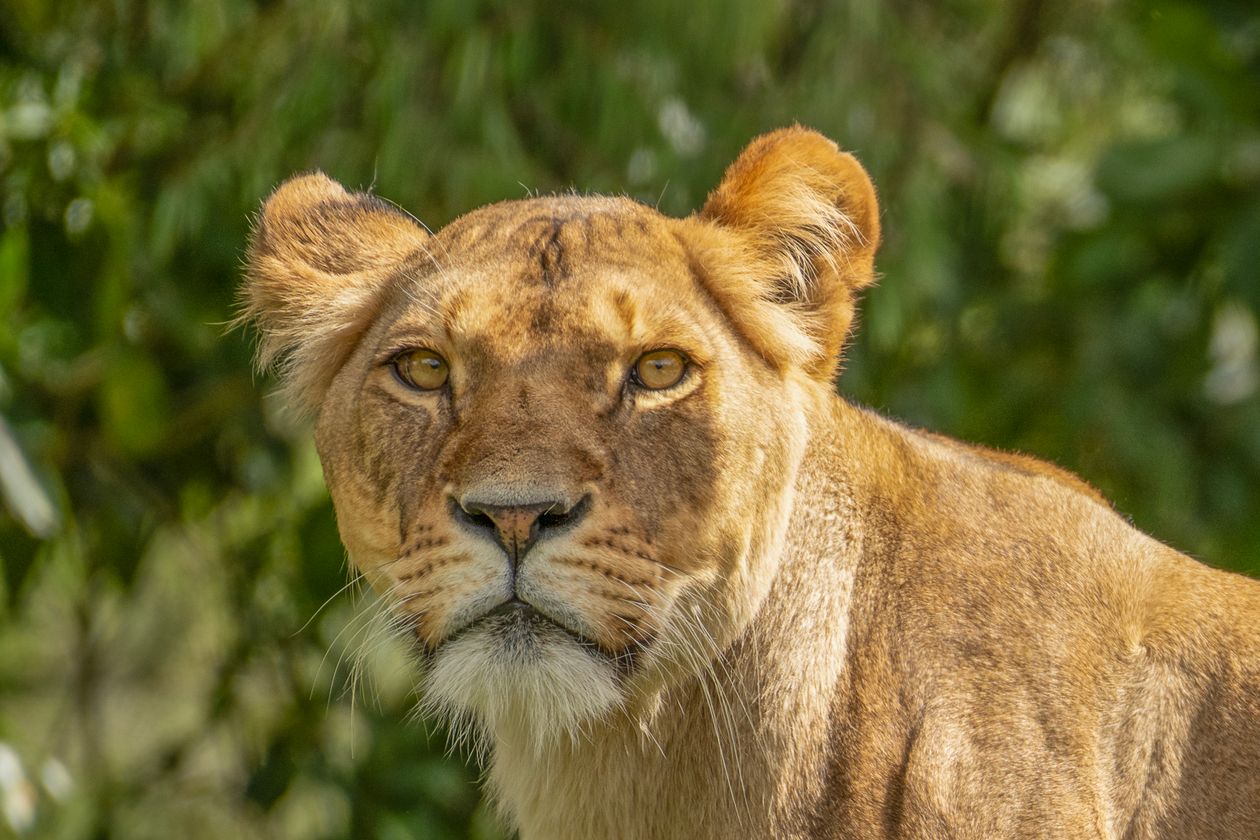
1. She Does 85–90% of the Hunting (and He Eats First!)
In a lion pride, the females are the providers. Lionesses carry out an estimated 85 to 90 percent of all hunts — stalking, chasing, and bringing down zebras, wildebeest, and buffalo while the males mostly patrol and nap.
And here’s the part that’ll make you laugh: when the kill is made, the male eats first. He’ll stroll in, claim the best cuts, and the lionesses — who did all the work — wait their turn, with the cubs getting whatever’s left. It’s the animal kingdom’s most unfair dinner table, and the lionesses just get on with it.
Why don’t males hunt more? That glorious mane makes them overheat faster and ruins their camouflage. Evolution gave the boys the looks and the girls the skills.
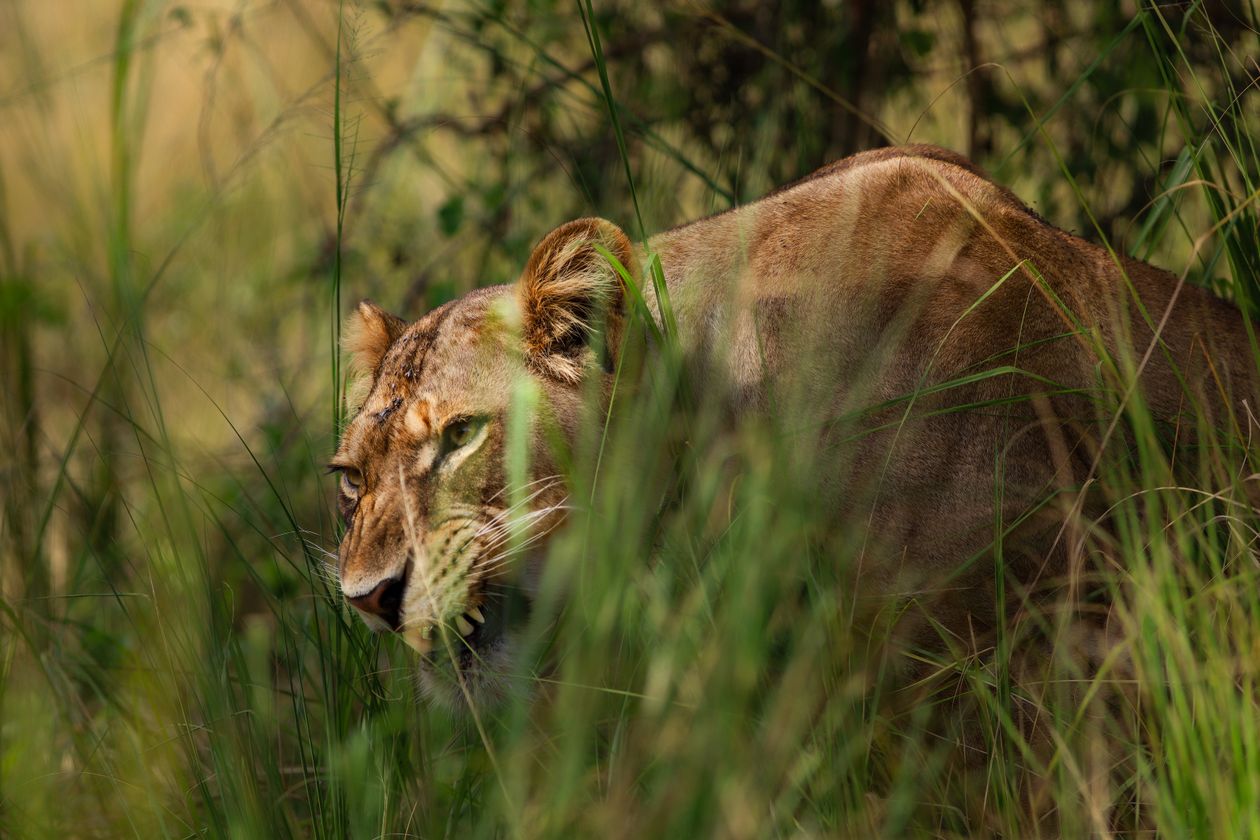
2. They Hunt Like a Special-Ops Team
A lioness hunting alone succeeds only about 18% of the time. But when the sisters hunt together, the success rate jumps to around 30% — and the teamwork is genuinely military-grade.
Lionesses fan out and encircle the herd, then use a classic pincer movement: some drive the prey forward in a panic while others wait in ambush at exactly the spot the herd will flee toward.
Each lioness seems to know her role — the chasers, the ambushers, the ones who cut off escape routes. They can’t sprint for long (top speed is about 80 km/h but only in short bursts), so the whole strategy is built on brains, not just brawn.
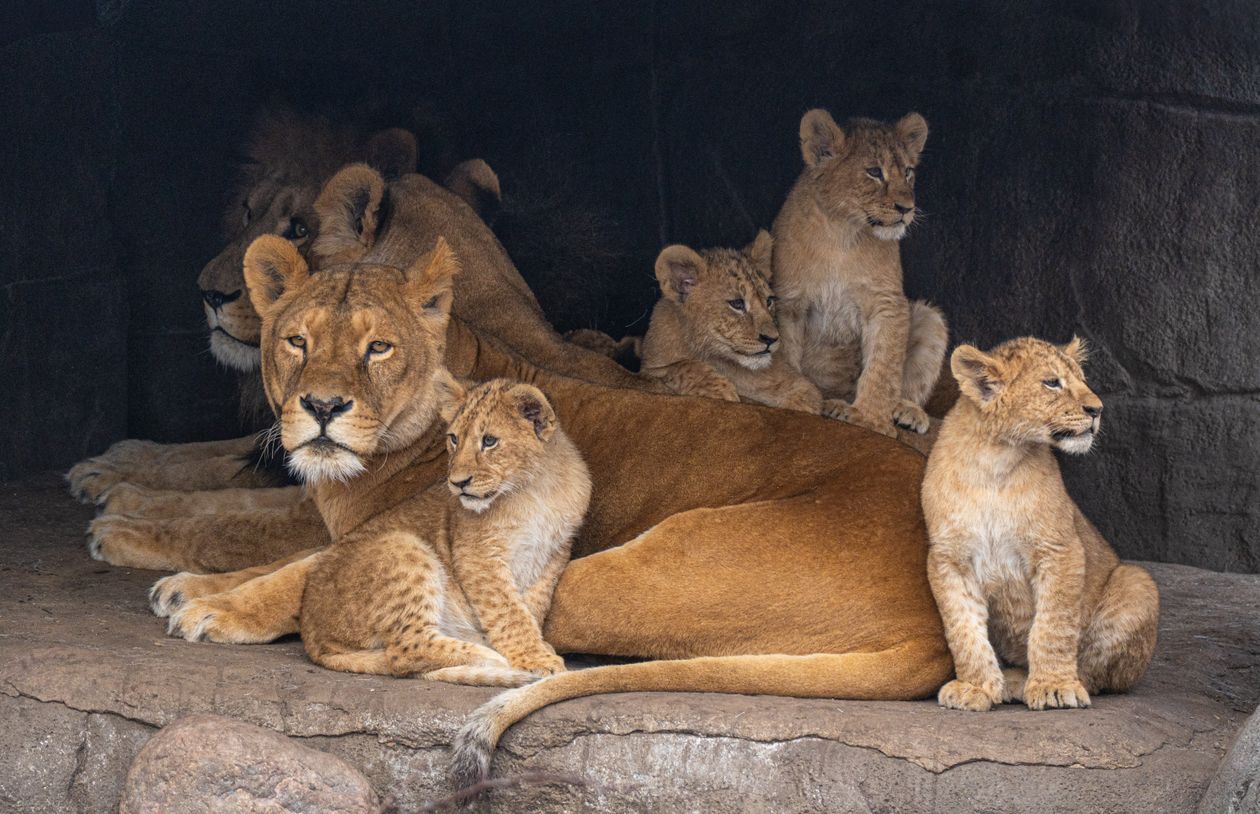
3. The Pride Is a Matriarchy — Daughters Stay, Sons Get Evicted
Forget the “king and his kingdom” story. A lion pride is really a sisterhood. The core of every pride is a group of related females — mothers, daughters, sisters, aunts — who stay together for their entire lives.
The males? They’re temporary residents. Young males are pushed out of the pride at just 2 to 3 years old and must survive as nomads before challenging another pride’s males.
A male’s reign typically lasts only 2 to 4 years before younger rivals throw him out. Meanwhile, the lionesses remain — the true permanent residents and rulers of the territory. The “king” is basically a bouncer with a short contract.
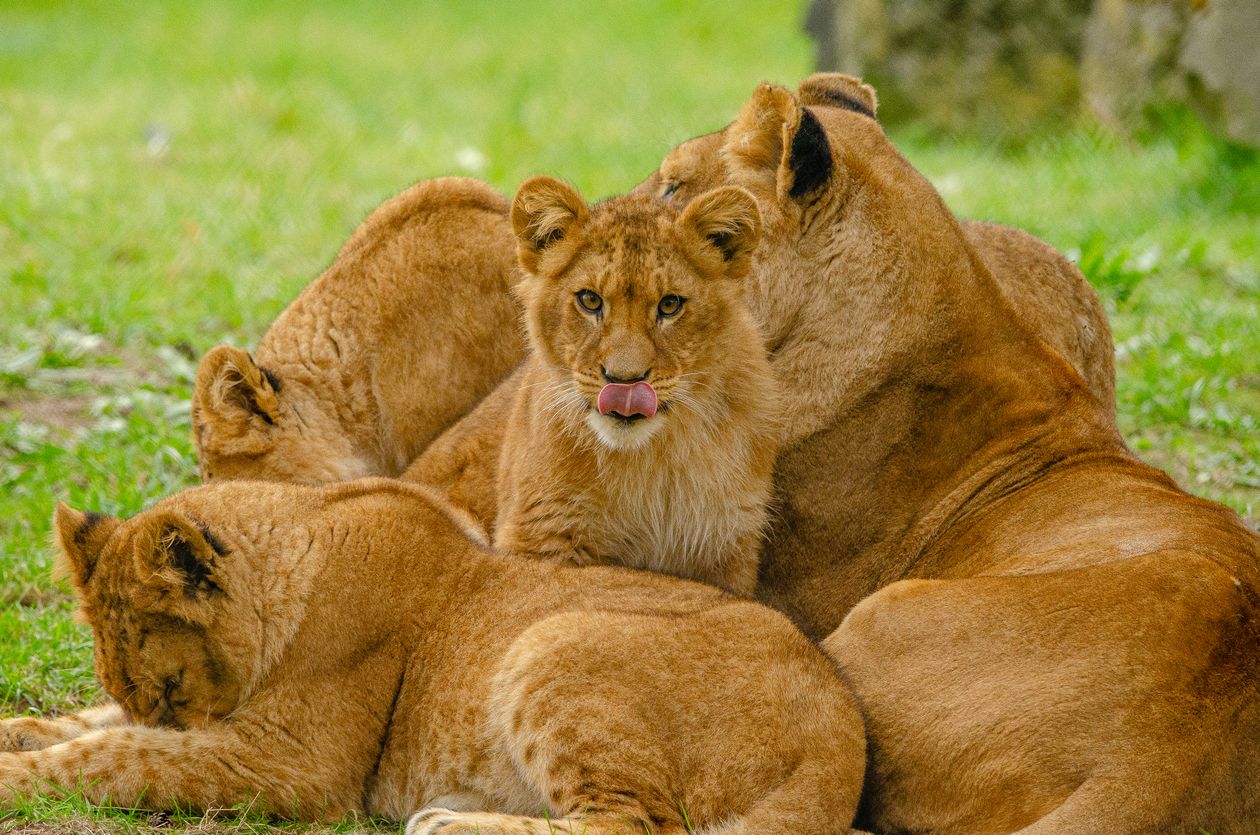
4. They Run a Communal Nursery (and Babysit Each Other’s Cubs)
Lionesses in a pride often synchronize their pregnancies, giving birth around the same time — and then they raise all the cubs together, like one big joint family.
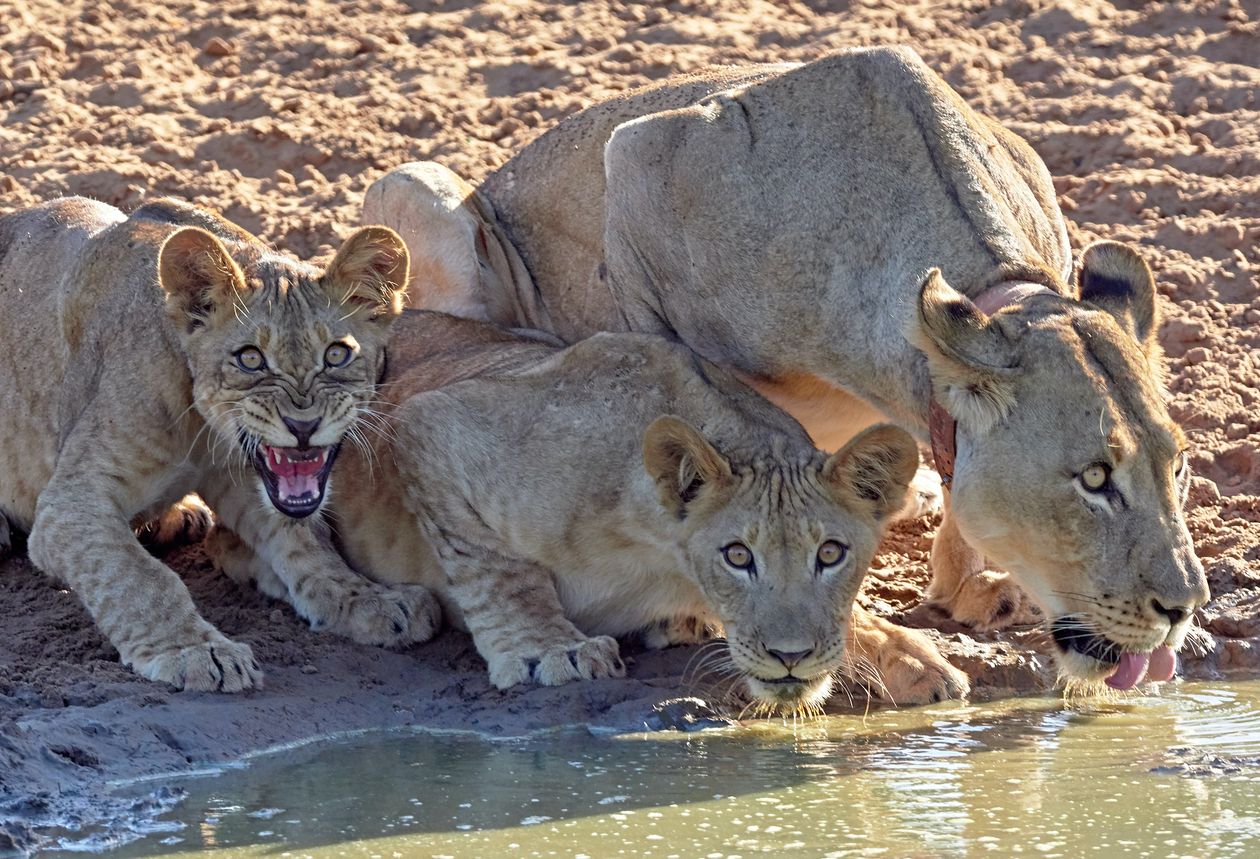
Here’s the beautiful part: a nursing lioness will feed any cub in the pride, not just her own. Cubs pile together in a wriggling heap called a “crèche,” guarded by whichever mothers aren’t hunting that day. If one mother is out on a hunt, another watches her cubs. It takes a village — or in this case, a sisterhood — to raise a lion.
5. Her Roar Can Be Heard 8 Kilometres Away
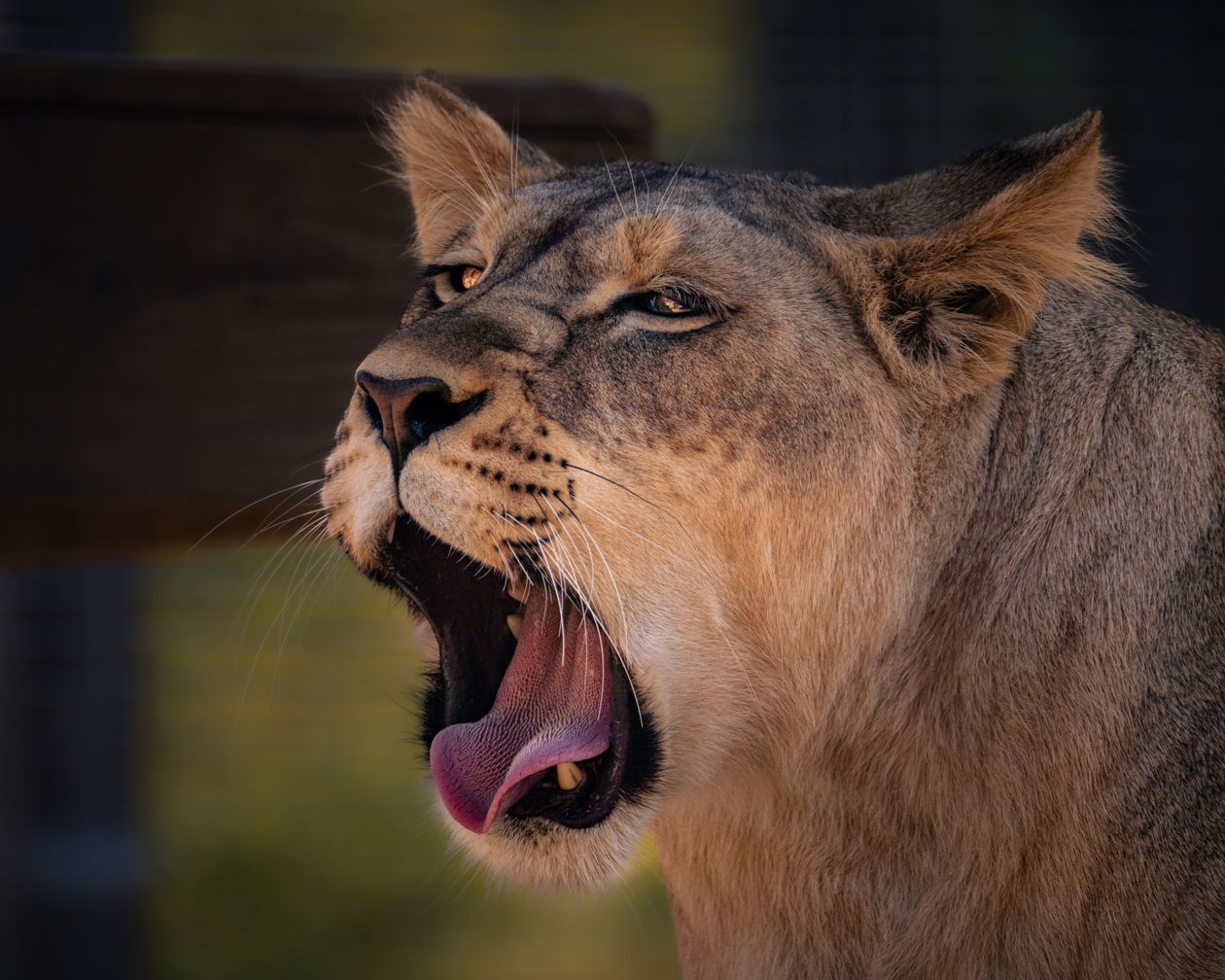
That earth-shaking roar isn’t just for drama — it’s the savanna’s long-distance communication system. A lion’s roar can be heard from up to 8 kilometres (5 miles) away, one of the loudest calls of any land animal.
Lionesses roar to call their cubs, to regroup scattered pride members after a hunt, and to announce “this territory is taken” to rivals. Each lion’s roar is individually distinctive too — pride members can recognize each other by voice alone. It’s essentially a family group chat, broadcast across the plains.
6. She Sleeps Up to 20 Hours a Day — and It’s Pure Strategy
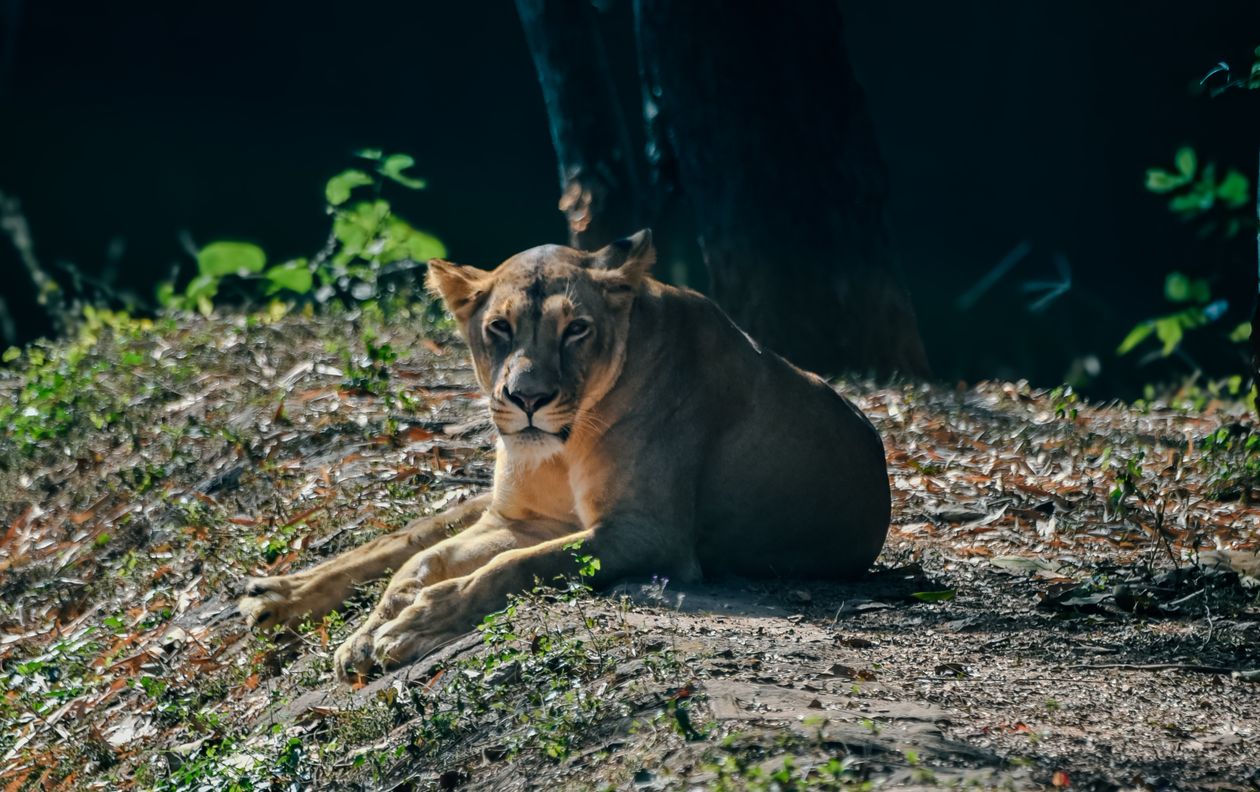
Lions are the laziest of all big cats, resting 16 to 20 hours a day. But before you judge, understand the genius: a lioness’s body is a high-performance machine that runs extremely hot during a hunt. Resting in the shade all day is how she conserves every drop of energy for the explosive few minutes when it actually matters.
Female lions actually sleep a little less than males (around 15–18 hours vs the male’s 18–20) — because someone has to hunt and raise the cubs while he’s snoring. Even in rest, she’s the responsible one.
7. She’s Built for the Night
Most lion hunts happen after dark, and the lioness is perfectly engineered for it. Her night vision is estimated to be about six times better than a human’s, thanks to a reflective layer behind her retinas that squeezes every photon out of starlight and moonlight.
Add the lack of a mane — which gives her better camouflage, less heat buildup, and a more streamlined shape — and you get a near-invisible night predator. While the male’s dark mane advertises “I’m here!” to every rival for miles, the lioness melts into the tall grass like a ghost. Stealth mode: always on.
Frequently Asked Questions
Do lionesses roar like male lions?
Yes! Both sexes roar, and a lioness’s roar is just as far-carrying — up to 8 km. Males tend to roar more often for territory defence, while lionesses use it to communicate with the pride and call their cubs.
How fast can a lioness run?
A lioness can hit around 80 km/h (50 mph) in short bursts, but she can’t keep it up for long — which is exactly why lionesses hunt with ambush tactics and teamwork instead of long chases.
How much does a lioness eat in a day?
An adult lioness needs roughly 5 kg of meat a day on average (males need more, around 7 kg). After a big kill, lions gorge themselves and then may rest for days near the carcass.
How long do lionesses live?
In the wild, lionesses typically live 15–18 years — noticeably longer than males, who average 10–12 years in the wild. Yet another thing the girls do better.
The Real Queen of the Savanna
So the next time someone calls the lion the “king of the jungle,” smile and set the record straight. He may wear the crown of hair, but she feeds the family, raises the next generation, defends the bloodline, and holds the sisterhood together for life. The savanna doesn’t run on manes — it runs on lionesses.