Dogs may not be able to speak, but they communicate with us every day through their behaviour, body language, and routines. Sometimes, the little things they do are their way of telling us exactly what they need.
Whether you have a playful puppy, an energetic adult dog, or a senior companion, understanding these signals can help you build a stronger relationship with your pet.
Here are 12 things your dog might wish you understood.
1. I Need More Than Just Food and Water
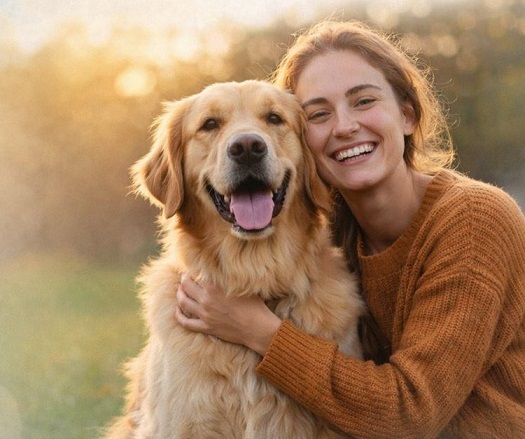
A full food bowl isn’t the whole picture when it comes to a dog’s wellbeing.
Dogs need mental stimulation, physical activity, social interaction, rest, and opportunities to explore their surroundings. Even a few minutes of play, training, or sniffing during a walk can give your dog something interesting to focus on.
Every dog is different, so their exercise and enrichment needs can vary depending on factors such as age, breed, health, and personality.
2. Sniffing Is a Big Part of My Walk
When your dog stops every few seconds to sniff a tree, sidewalk, or patch of grass, it can be tempting to hurry them along.
But sniffing is an important way dogs gather information about their environment.
Their noses help them discover scents and changes in their surroundings that humans simply can’t detect. Giving your dog appropriate opportunities to sniff during walks can provide valuable mental stimulation.
Sometimes a slower walk can be just as interesting to your dog as a longer one.
3. I Don’t Always Want to Be Hugged
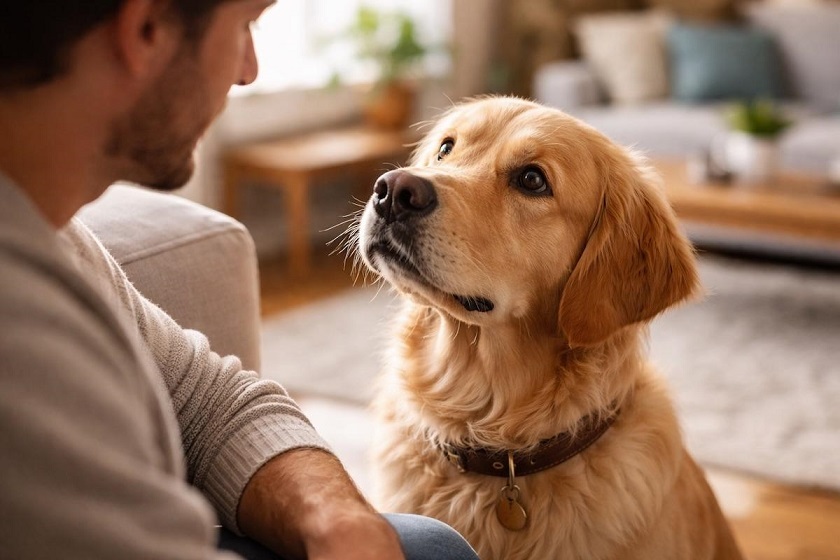
Humans often show affection through hugs, but dogs don’t necessarily interpret hugs the same way.
Some dogs enjoy close physical contact, while others may feel uncomfortable when they are restrained or held tightly.
Pay attention to your dog’s body language. Turning away, becoming stiff, licking their lips, yawning, or trying to move away can indicate that they would prefer some space.
Your dog may have their own favorite way of receiving affection.
4. I Need a Safe Place to Relax
Dogs need downtime too.
A quiet bed, crate, mat, or another comfortable area can give your dog somewhere to retreat when they want to rest.
If your dog walks away from the excitement of the household and settles somewhere peaceful, that doesn’t necessarily mean they’re ignoring you. They may simply be ready for some quiet time.
Respecting that space can help your dog feel secure.
5. Your Attention Means a Lot to Me

Dogs are social animals, and many enjoy spending time with their people.
You don’t necessarily need to entertain your dog for hours. A few minutes of focused attention can be meaningful.
Playing together, practicing a few simple commands, going for a walk, or simply sitting together can all strengthen your relationship.
For many dogs, being included in everyday family life is part of what makes home feel like home.
6. Please Be Patient When I’m Learning
Dogs don’t automatically understand human rules.
If you’re teaching a puppy not to jump, helping a rescue dog adjust to a new home, or introducing a new command, learning takes time.
Consistent training and rewards for desired behavior can help dogs understand what you’re asking from them.
Getting frustrated rarely makes the lesson clearer. Patience and consistency are much more useful.
7. My Body Language Is Telling You Something

Dogs communicate constantly through their posture, facial expressions, ears, tail, and overall behavior.
A wagging tail doesn’t always mean a dog is happy. The meaning can depend on the rest of the dog’s body language and the situation.
Instead of focusing on one signal, look at the entire picture.
Learning your dog’s normal behavior can also make it easier to notice when something seems unusual.
8. I Love Having a Routine
Dogs often become comfortable with predictable routines.
Regular mealtimes, walks, play sessions, and bedtime can make daily life easier for them to understand.
Of course, life doesn’t always follow a perfect schedule. But keeping important parts of your dog’s day reasonably consistent can help create a sense of familiarity.
A routine can be particularly helpful when a dog is adjusting to changes in its environment.
9. I Still Need You When I’m Getting Older
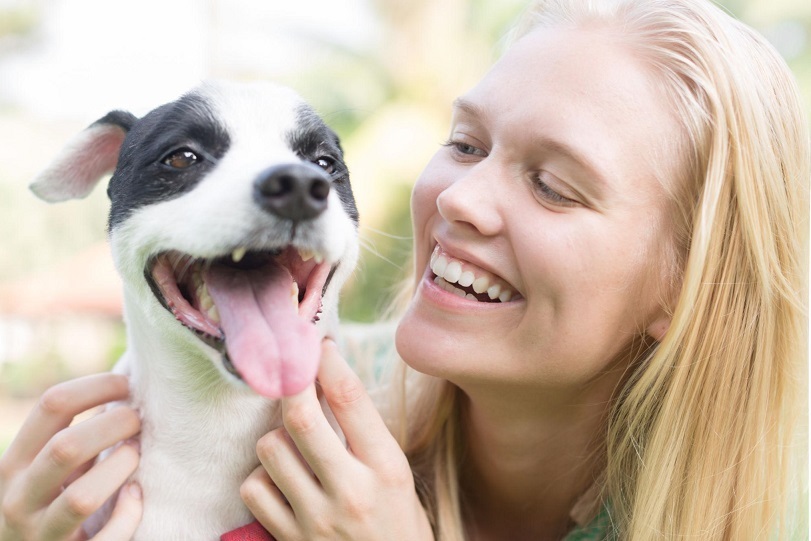
A senior dog may not have the same energy they had as a puppy, but that doesn’t mean they need less love or attention.
Older dogs may benefit from adjustments to their exercise, sleeping arrangements, and daily routine.
Changes in behavior, mobility, appetite, or other aspects of your dog’s normal routine can sometimes indicate an underlying health issue. If you notice something unusual or persistent, speak with a veterinarian.
Your dog’s needs may change with age, but their desire for companionship doesn’t disappear.
10. Boredom Can Be a Problem
A dog with nothing interesting to do may find their own entertainment.
That could mean chewing something they shouldn’t, barking, digging, or repeatedly looking for attention.
Mental enrichment can help. Food puzzles, scent games, training exercises, appropriate toys, and supervised exploration can give your dog something constructive to focus on.
You don’t need expensive equipment to make things interesting. Even simple training games can provide mental stimulation.
11. I Need You to Notice When Something Changes
You know your dog’s normal habits better than most people.
Maybe they usually greet you at the door but suddenly don’t. Perhaps they’re sleeping much more than usual, avoiding activities they normally enjoy, or behaving differently around food.
A single unusual moment doesn’t necessarily mean something is wrong, but noticeable or persistent changes deserve attention.
Keeping an eye on your dog’s normal behavior can help you recognize when it’s time to consult a veterinarian.
12. I Don’t Need You to Be Perfect
Your dog isn’t expecting you to be the perfect owner.
They don’t care whether your house is spotless or whether every walk lasts exactly the same amount of time.
What matters is the relationship you build with them: providing appropriate care, spending time together, keeping them safe, and paying attention to their needs.
Your dog may not understand every word you say, but they learn your routines, recognize your voice, and become familiar with the way you interact with them.
Sometimes, the simplest things — a walk, a game, a gentle scratch, or sitting beside them — are what they value most.
Final Thoughts
Living with a dog is a two-way relationship. We teach them our routines and expectations, while they constantly give us clues about what they’re feeling and needing.
The better we learn to notice those signals, the easier it becomes to understand our four-legged companions.
Your dog can’t sit down and tell you what’s on their mind. But if you pay attention, they may already be telling you more than you realize.